
Becoming a professional skater means building enough sporting and commercial value to earn income from skating-related work. Free products, a discount code or a place on a local shop team can be meaningful support, but none automatically makes a rider professional.
There is no single route. Riders may earn through brand contracts, prize money, demonstrations, coaching, content production, event work or a combination of these. In longboarding, the route also depends on the discipline: downhill racing, freeride, dancing and freestyle have different events, audiences and sponsor expectations.
Sponsorship and professional status are not the same
| Type of support | What it may include | What it does not prove |
|---|---|---|
| Ambassador or discount code | Affiliate commission, discount or occasional product | That the rider is on the official team or is paid to skate |
| Local shop team | Shop support, event entry, media and community representation | A professional contract |
| Flow or product support | Free or discounted equipment with informal expectations | A salary or guaranteed long-term relationship |
| Sponsored athlete | Product, expenses, bonuses or defined deliverables | That skating is the rider’s full-time income |
| Professional rider | Meaningful paid skating work under clear commercial terms | Permanent income or financial security |
Terminology varies between brands, so ask what the relationship actually includes instead of relying on a label. For a current example, Loaded separates its ambassador and affiliate programs. Its ambassador page describes community involvement and possible paid collaborations, while its affiliate program describes referral commissions. Neither description guarantees a salary or acceptance for every applicant. This official source was checked on October 6, 2026.
Choose the discipline you want to develop
A rider does not need to perform every style. A downhill racer is evaluated differently from a dancing creator or street skateboarder. Define the discipline, event level and kind of media you want to produce, then build evidence around that direction.
- Downhill: race results, safe technical execution, consistency and event participation.
- Freeride: line choice, controlled slides, style, filming and community sessions.
- Dancing and freestyle: technical repertoire, originality, complete lines, competitions and instructional or creative media.
- Education and media: clear teaching, credible equipment knowledge, production quality and audience trust.
A realistic development path
1. Build repeatable fundamentals
Brands and event organizers need more than a single successful clip. Develop skills you can repeat in different conditions, complete lines rather than isolated attempts, and make safety part of your riding. Training quality, recovery and useful feedback matter more than an arbitrary daily schedule.
Use appropriate protective equipment, increase risk progressively and obtain qualified coaching for high-speed disciplines. An injury is not proof of commitment.
2. Participate in the scene before asking from it
Attend local sessions and events, support organizers, help newer riders and behave reliably. A recommendation from a respected shop, filmer or event organizer often carries more weight than an unsolicited message claiming to be passionate.
- Arrive when you say you will.
- Respect spots, residents, event rules and other riders.
- Credit photographers and filmers.
- Do not create safety or reputation problems for organizers.
3. Create a concise skate portfolio
A useful portfolio shows what you can consistently deliver. It does not need exaggerated editing or a large follower count.
- A short introduction with location, discipline and current level.
- One strong video containing complete, recent riding rather than only falls or near-makes.
- Selected competition results or event participation, with dates and verifiable links.
- A small set of high-quality photographs you have permission to use.
- Relevant audience data, clearly labelled by platform and period.
- Previous collaborations and what you delivered.
- Contact details and links that work.
4. Approach the right shop or brand
Start with companies whose products you understand and already use when practical. A short, specific proposal is stronger than sending the same message to every brand.
Explain who you are, why the fit makes sense, what you have done and what you can deliver. Do not lead with a request for free gear. Ask whether the company is reviewing riders and what material it wants to see.
5. Treat an offer as an agreement
Before accepting, clarify the exchange in writing. Product value and exposure are not substitutes for clear terms.
| Question | Why it matters |
|---|---|
| What support will the rider receive? | Product, travel, entry fees, commission and cash compensation are different |
| What must the rider deliver? | Define posts, videos, events, usage rights and deadlines |
| Is the relationship exclusive? | Know which competing products or brands are restricted |
| Who owns the photos and video? | A brand may request broader usage than a social repost |
| How long does the agreement last? | Set review, renewal and termination terms |
| How are injuries or travel handled? | Do not assume insurance, medical costs or cancellations are covered |
Minors should have a parent or guardian review every agreement and communication involving travel, money, image rights or exclusivity. For material contracts, consider qualified legal advice in your jurisdiction.
Do competitions make a career?
Competitions can demonstrate performance, provide footage and create relationships, but they are not the only path and a podium does not guarantee sponsorship. Some valuable riders contribute through instruction, event organization, product feedback or high-quality media without winning major contests.
Enter events that match your discipline and level. Track results accurately, but also evaluate costs, injury exposure and whether the event reaches the community or brands relevant to your goals.
How important is social media?
Social media can distribute riding and demonstrate communication skills, but follower count alone is weak evidence. Brands may also consider audience relevance, engagement quality, consistency, reputation and whether the rider can create usable assets.
- Publish fewer strong clips instead of flooding feeds with repetitive attempts.
- Show complete riding, events, learning and community contribution.
- Label paid or gifted relationships according to applicable advertising rules.
- Do not buy followers or present edited metrics as organic reach.
- Keep original files and permission records for collaborative media.
Income and career planning
Skating income can be irregular. Product support reduces equipment costs but does not pay rent. Prize money is uncertain, travel is expensive and social-platform income can change. Keep a realistic budget and develop transferable skills such as coaching, filming, editing, photography, event production or equipment service.
Do not leave education or reliable employment because a company sends occasional products. Make that decision only when documented income, expenses, contractual obligations and an emergency plan support it.
Common mistakes
- Calling yourself professional because you received a discount code.
- Asking for sponsorship before contributing to the community.
- Sending a long generic message with no recent riding.
- Promising more content, travel or exclusivity than you can deliver.
- Ignoring recovery or taking uncontrolled risks to produce clips.
- Accepting vague terms because the brand name feels prestigious.
- Speaking badly about previous sponsors instead of ending relationships professionally.
A 12-month plan without false promises
- Months 1–3: define one discipline, assess current skills, create a safe training routine and join local sessions.
- Months 4–6: film complete lines, enter appropriate events and begin a concise portfolio.
- Months 7–9: contribute consistently, improve media quality and document results and collaborations.
- Months 10–12: review evidence, identify a small number of suitable shops or brands and send specific proposals.
This is an organization framework, not a promise of sponsorship within a year. The correct outcome may be stronger riding and community relationships rather than a commercial offer.
Perspective from Juan Campuzano
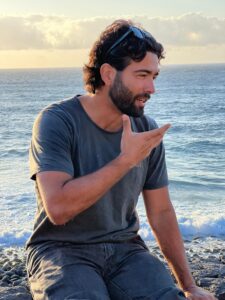
Juan Campuzano has been longboarding since 2010 and rode for or worked with international longboard brands including Bustin, Edge, Five-O, Cloud Ride Wheels, Ahmyo Wheels, Atlas Trucks, DB Longboards and Luca Longboards between 2013 and 2018. That experience informs a simple distinction: receiving equipment is only one part of a relationship; reliability, useful media, product understanding and community conduct determine whether support can last.
Read more about his background and available source links on the Juan Campuzano author page.
Bottom line
Focus first on repeatable riding, safety, genuine community participation and a clear portfolio. Pursue support that fits your discipline, clarify every exchange in writing and treat product sponsorship as support—not proof of a sustainable professional career.
Editorial disclosure: this guide draws on Juan Campuzano’s stated longboarding and brand-team experience. It does not promise sponsorship, income or professional status, and it is not legal, tax or financial advice.